tel: 888.868.8467

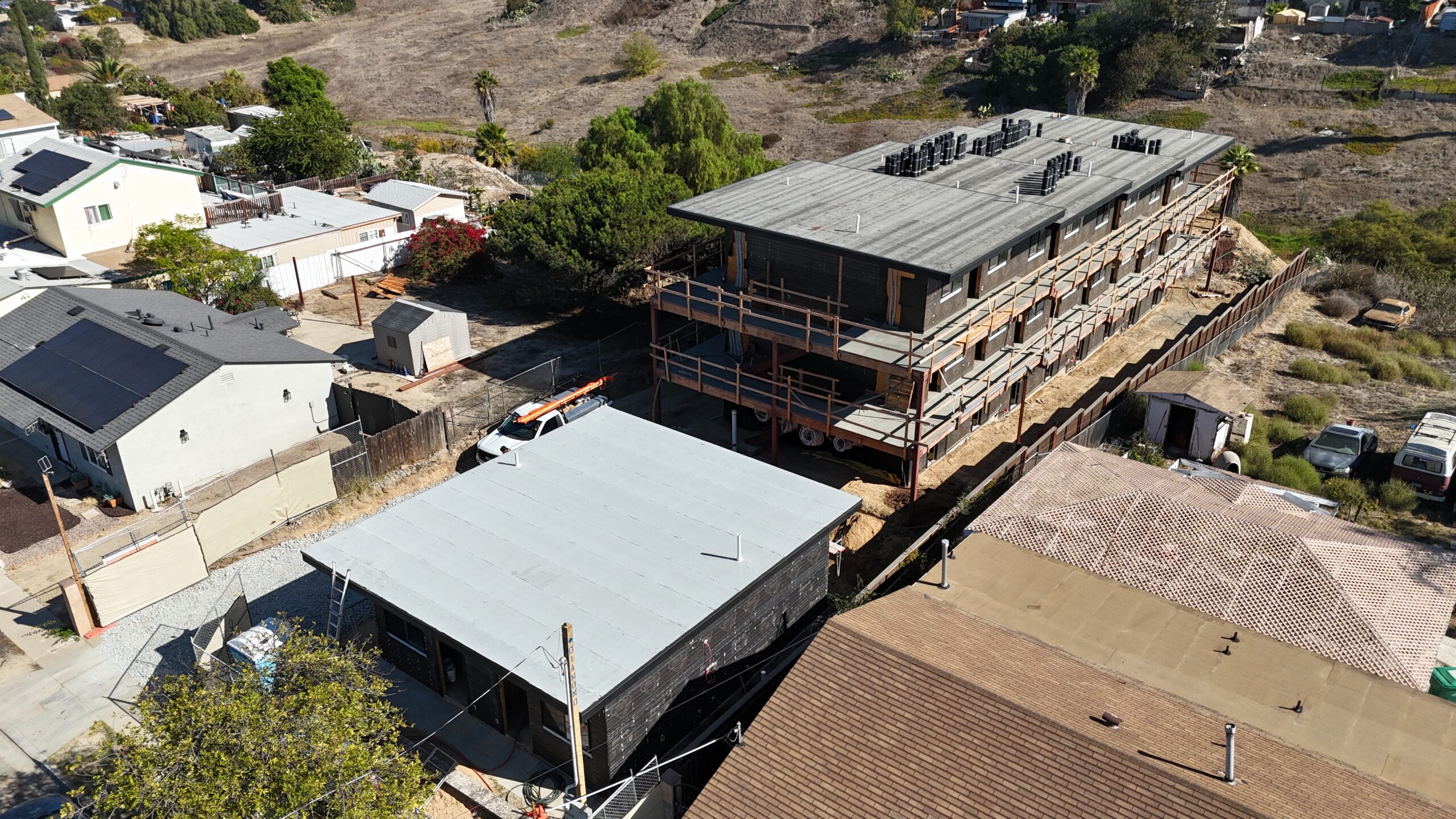
New construction loans are often viewed as one of the more complex segments of real estate lending. They involve multiple phases, moving parts, and longer timelines compared to traditional bridge or refinance loans. Yet, when underwritten and managed properly, construction loans can play an important role in a well-balanced mortgage fund portfolio.
Understanding how these loans work—and why they are included alongside other loan types—helps investors better evaluate portfolio composition and risk management.
New construction loans are short-term loans used to finance the ground-up development of real estate. These loans typically fund the construction of residential, multifamily, or mixed-use properties from the initial foundation through project completion.
Unlike loans that finance existing properties, construction loans are structured to fund costs in stages. Capital is released incrementally as construction milestones are completed, rather than being disbursed all at once.
Common uses include:
Real estate investors turn to construction loans when they are creating value rather than repositioning an existing asset. These projects often address housing shortages, improve land efficiency, or add rental inventory in high-demand areas.
Construction loans allow investors to:
Because traditional banks are often hesitant to finance ground-up construction—particularly smaller or non-institutional projects—private lenders frequently fill this gap.
From a portfolio perspective, construction loans offer diversification across loan types and project stages. While they typically require more oversight than bridge loans, they also provide exposure to projects that add new housing supply rather than relying on existing inventory.
In a balanced mortgage fund portfolio, construction loans are often paired with:
This mix helps spread risk across different borrower strategies, timelines, and asset conditions.
Construction loans demand a higher level of underwriting discipline than many other loan types. Well-managed funds apply strict criteria before approving these deals, including:
In addition, funds typically require independent inspections before releasing construction draws, ensuring work is completed as planned before additional capital is deployed.
This structured approach significantly reduces execution risk and helps protect investor capital.
Construction loans are not “set it and forget it” investments. Ongoing oversight—such as site visits, draw management, and progress tracking—is critical to keeping projects on schedule and within budget.
When actively managed, construction loans can perform in line with other short-term real estate loans while contributing meaningful diversification to the overall portfolio.
For investors, understanding the role of construction loans provides insight into how a mortgage fund builds balance and resilience. These loans support housing creation, diversify exposure, and—when underwritten conservatively—can align well with a fund’s broader risk management strategy.
Rather than increasing risk, carefully selected and closely monitored construction loans can strengthen a portfolio by adding depth, variety, and long-term value creation.
TaliMar Income Fund I offers investors the ability to participate in the rapidly growing demand for private real estate debt. The fund is comprised of a diversified portfolio of short-term loans secured primarily on residential single family and multi-family properties throughout California. The fund manager, TaliMar Financial, was established in 2008 and has successfully funded over $500 million in loans. Investors in the mortgage fund include high net worth investors, family offices, and private equity funds who are seeking consistent monthly income, the security of real estate, and the tax benefits of a mortgage fund structured as a real estate investor trust.
Disclosure: This advertisement is for informational purposes only and does not constitute an offer to sell nor a solicitation of an offer to buy any security. Such offers can only be made by the Private Placement Memorandum (“PPM”) and related subscription documents. Any investment in TaliMar Income Fund I involves significant risk. You should not enter into any transactions unless you fully understand all such risks and have independently determined that such transactions are appropriate for you. Business Purpose Loans arranged through TaliMar Income Fund I, LLC (DFPI CFL License No. 60DBO-137778).
 Call Us